
In the ever-evolving world of marketing, the allure of new technologies is irresistible. Generative AI, with its promise of speed and efficiency, has quickly become the darling of marketers. However, the initial attempts to integrate generative AI into advertising have fallen flat with consumers. As we delve into why these early efforts haven’t resonated and explore how creatives are adapting, we uncover a fascinating journey of trial, error, and innovation.
Exploring the challenges and opportunities of generative AI in advertising
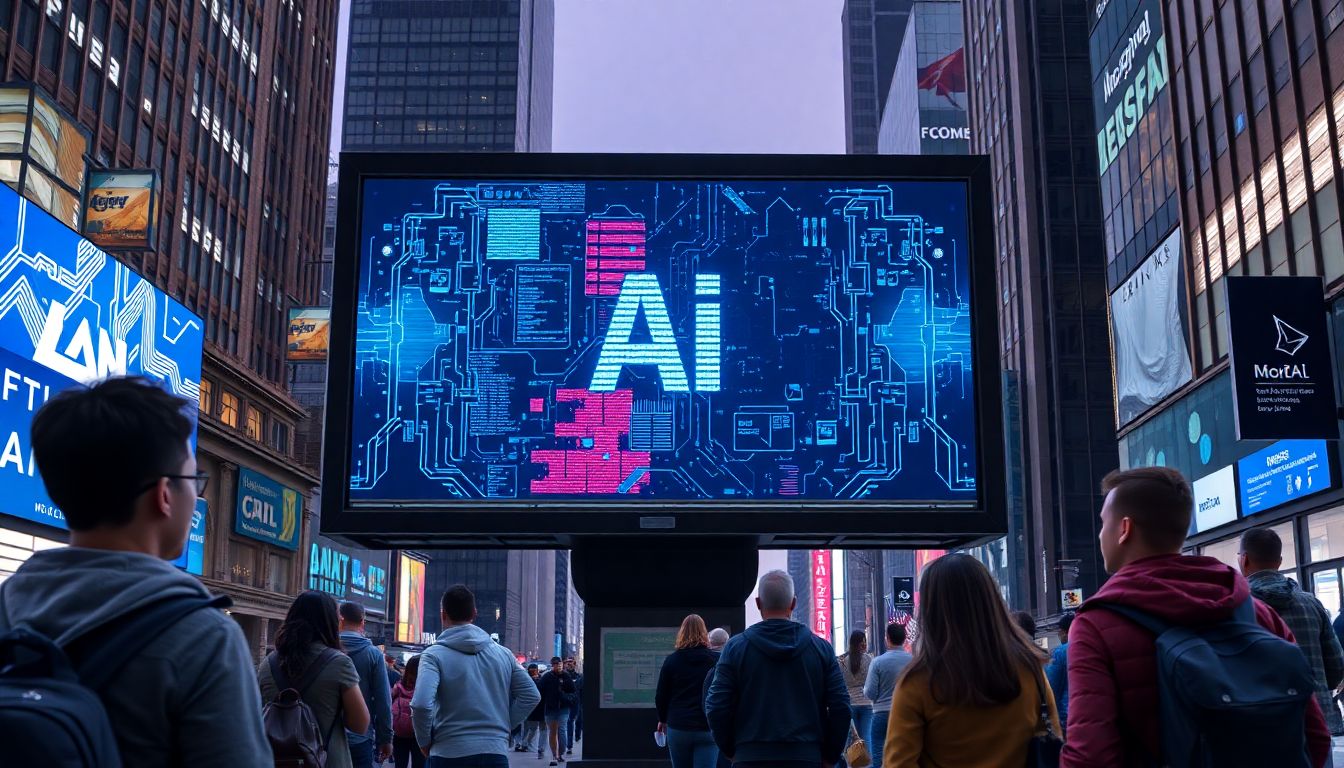
In the heart of a bustling cityscape, where neon lights flicker and the hum of activity never ceases, a futuristic advertising billboard looms large over the crowded streets. This isn’t your ordinary billboard; it’s a cutting-edge digital canvas displaying an AI-generated ad, meant to entice and captivate the masses. However, something is amiss. The ad is glitching, fracturing the sleek images and smooth animations into a stuttering, distorted mess. Colors bleed into one another, text scrambles into random characters, and the seamless illusion of reality that the AI aims to create is shattered.
Surrounding the malfunctioning billboard, a crowd of curious onlookers has gathered, their reactions as varied as the glitches on the screen. Some are amused, laughing and pointing at the spectacle, while others are confused, scratching their heads as they try to make sense of the digital chaos. There are those who are annoyed, grumbling about the failure of modern technology, and a few who are intrigued, whipping out their phones to capture the moment. Amidst the mixed reactions, one thing is clear: the glitching AI-generated ad has turned the billboard into an accidental piece of public art, a stark contrast to the perfectly curated advertisements that typically dominate the cityscape.
The Rush to Adopt Generative AI
The marketing world’s initial encounter with generative AI was nothing short of a love affair. Marketers were smitten with the promise of effortless content creation, cost reduction, and lightning-fast turnaround times. Generative AI, with its ability to mimic writing styles, generate images, and even create videos, seemed like the holy grail of advertising. Brands rushed to incorporate AI-generated content into their strategies, hoping to capitalize on the technology’s potential to create personalized and scalable content. However, as with any new technology, the honeymoon phase was short-lived.
As AI-generated content began to flood the market, consumers and the creative community started to push back. Consumers found AI-generated content to be soulless and lacking in authenticity. They craved human connection and emotional resonance, elements that AI struggles to replicate. The creative community, on the other hand, raised concerns about job displacement and the devaluation of human creativity. Furthermore, several high-profile cases of AI plagiarism and cultural appropriation sparked outrage and led to brands facing severe backlash. The initial enthusiasm of marketers was suddenly dampened by the cold reality of consumer rejection and ethical dilemmas.
In the wake of this backlash, marketers are beginning to recognize the importance of authenticity and emotional connection in advertising. While AI can generate content quickly and efficiently, it cannot truly understand or convey human emotion. Brands are now trying to strike a balance, using AI to augment human creativity rather than replace it. Some of the ways they are doing this include:
- Leveraging AI for data analysis and insights, which can inform creative strategy.
- Using AI to generate multiple content variants, with human creators selecting and refining the best options.
- Employing AI to create personalized content at scale, while ensuring that the core messaging and emotional appeal are crafted by humans.
The path forward, it seems, is not about choosing between AI and human creativity, but finding ways to make them work together.

The Missing Human Element
The advent of generative AI in advertising has brought about a significant transformation in how content is created, but not without its criticisms. One of the most notable drawbacks has been the lack of human touch in early generative AI ads. These ads often come across as bland and generic, missing the emotional appeal and nuanced understanding that human creators bring to the table. Consumers have long been accustomed to advertising that evokes emotion, tells a story, and connects on a personal level. AI-generated content, while efficient, often falls short in these areas, leading to a disconnect with consumers who may find these ads uninteresting or even off-putting.
However, it’s not all doom and gloom. Generative AI also brings several positives to the advertising process:
- Efficiency: AI can create countless variations of ads in a short amount of time, allowing for extensive A/B testing and optimization.
- Consistency: AI can maintain brand tone and messaging consistently across multiple platforms and formats.
- Scalability: AI can generate content at scale, useful for large campaigns or personalized marketing efforts.
But these advantages come with a caveat: over-reliance on AI can lead to a loss of authenticity and the risk of homogenized content that fails to resonate with audiences.
Striking a balance between technology and creativity is crucial in the advertising process. AI should be viewed as a tool to augment and inspire human creativity, not replace it. By combining AI’s data-driven insights and efficiency with human intuition, emotional intelligence, and storytelling prowess, advertisers can create compelling campaigns that resonate with consumers. This collaborative approach, where AI and human creators work together, could be the key to unlocking the full potential of generative AI in advertising.
The Future of Creative Integration
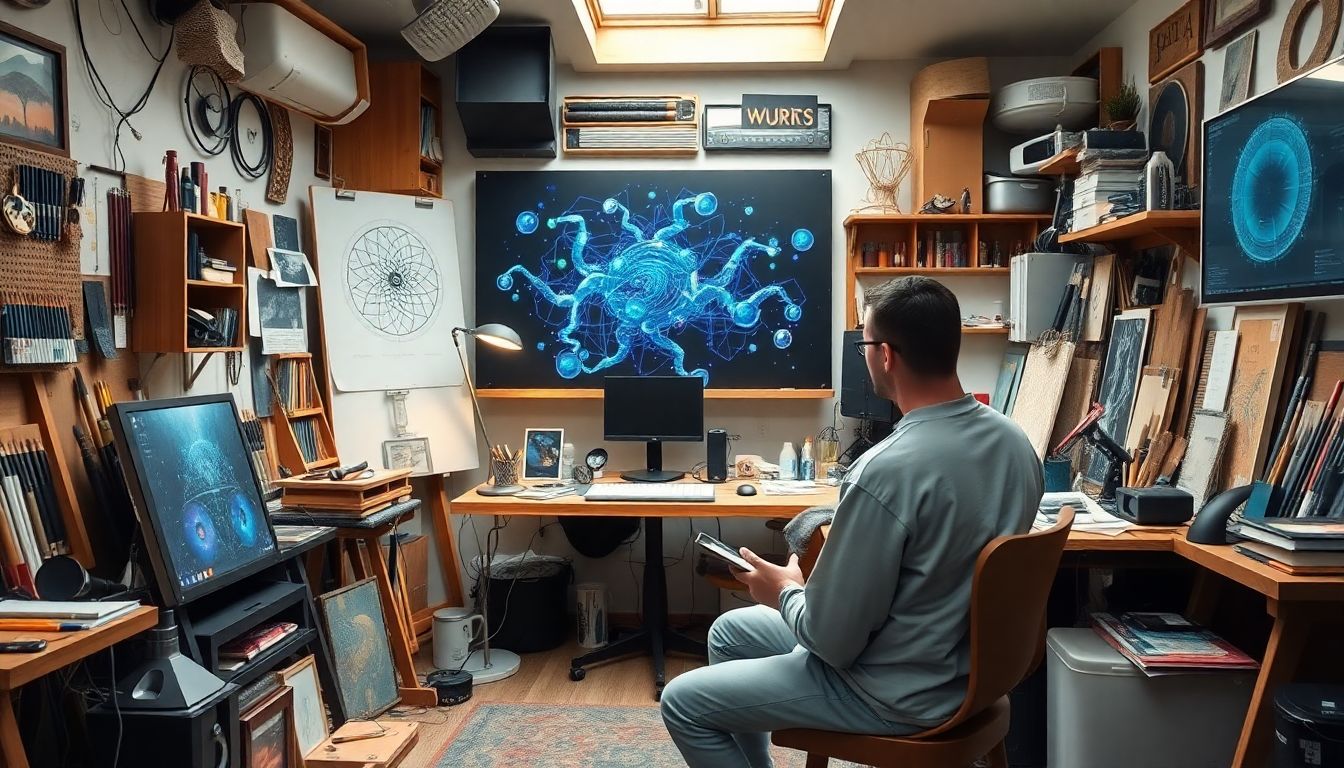
In the coming years, creatives will increasingly embrace generative AI as a powerful tool in their workflows, harnessing its potential to amplify both intelligence and speed without compromising authenticity. These advanced AI models, trained on vast amounts of data, can generate novel ideas, suggest design elements, and even draft content, allowing creatives to explore new territories more efficiently. For instance, AI can help generate multiple design iterations quickly, enabling designers to experiment with various styles and concepts before selecting the most promising ones. Similarly, writers can utilize AI to generate drafts, overcome writer’s block, or even translate content into different tones or languages. However, the true magic lies in the symbiosis between human creativity and AI-generated ideas. Creatives will not merely rely on AI but will use it as a springboard to dive deeper into their craft, refining and personalizing AI outputs to ensure they align with their unique visions and styles.
However, as creatives integrate generative AI into their processes, maintaining a distinctive brand voice will be paramount. In a world where AI can generate content indistinguishable from human creation, the risk of genericism looms large. To mitigate this, creatives must prioritize authenticity and originality. This means using AI as a tool for augmentation, not replacement. Brands will need to invest in defining and maintaining their unique voices, ensuring that AI-generated content is always finely tuned to resonate with their specific audiences. Some practical steps to achieve this include:
- Developing robust brand guidelines that incorporate AI use cases
- Training AI models on brand-specific data to better align with the brand’s tone and values
- Regularly reviewing and refining AI outputs to ensure consistency in brand voice
Nevertheless, the integration of generative AI is not without its pitfalls. Over-reliance on AI can lead to a loss of originality, with creatives becoming too dependent on AI-generated ideas. This could result in a homogenization of content, where everything looks and sounds the same. Furthermore, there are ethical considerations and biases inherent in AI that creatives must be aware of. For example, AI might perpetuate stereotypes or exclude certain groups if not properly trained or monitored. Additionally, there are concerns about job displacement and the devaluation of human creativity. As AI continues to evolve, it’s crucial for creatives to strike a balance, leveraging AI’s capabilities while nurturing and advocating for the irreplaceable value of human insight and originality.
FAQ
Why have early generative AI ads been criticized?
How can marketers effectively use generative AI in advertising?
- Use AI to gather insights and speed up the creative process.
- Ensure that human emotion and authenticity remain at the core of the ad.
- Focus on creating distinctive brand voices rather than generic content.
- Avoid using AI just for the sake of being trendy; prioritize making great ads that connect with audiences.
What are the potential pitfalls of using generative AI in advertising?
- Losing the human element that makes ads memorable and emotionally resonant.
- Facing backlash from creative communities and consumers for creating robotic and off-putting content.
- Falling into the hype cycle and creating ads that are quickly forgotten.
- Racing towards genericism by prioritizing speed and cost-efficiency over distinctive brand voices.
