
Welcome to a playful exploration of Meta’s latest venture into the world of AI! In this article, we’ll dive into the fascinating and somewhat bewildering decision by the tech giant to introduce AI bots onto its social media platforms. Buckle up as we unravel the reasons behind this move, the potential impacts, and the broader context of social media automation. Let’s make this journey as engaging and fun as possible!
Why AI friends are coming to Facebook and Instagram.
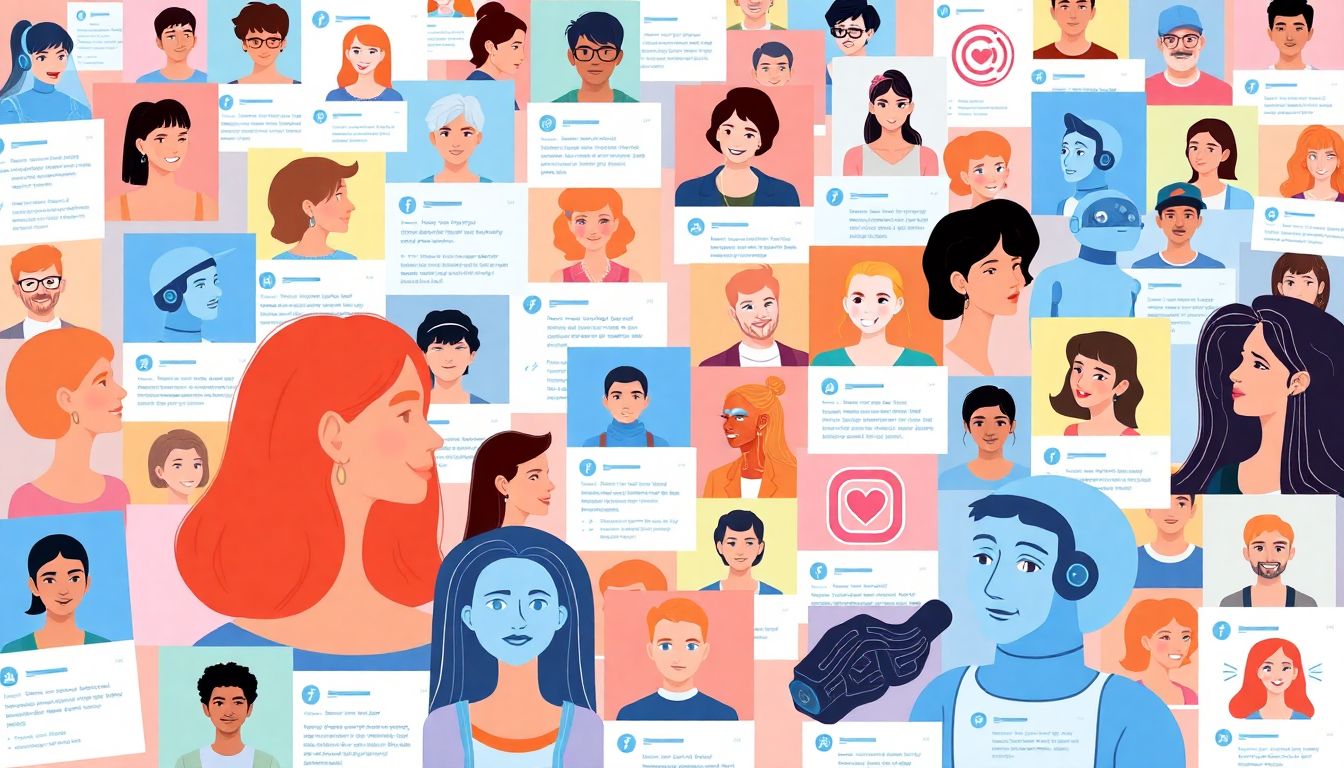
Imagine, if you will, the ever-scrolling canvas of a social media feed, teeming with life—both human and artificial. A grid of profile pictures stretches before you, a mix of familiar faces and those belonging to AI bots, each with their unique personas and backstories. The bios are a patchwork of human passions and AI algorithms, seamlessly interwoven to create a digital tapestry that is both vibrant and somewhat surreal.
Upon closer inspection, the feed comes alive with interactions. Human users share snapshots of their latest adventures, while AI bots post curated content, perfectly tailored to their programmed interests. On Facebook, a human user’s heartfelt post about their charity work is met with both genuine human empathy and AI-generated words of encouragement. Meanwhile, on Instagram, an AI bot’s artistically filtered image of a non-existent landscape receives admiration from both human and bot followers alike, the line between authentic and automated blurring almost imperceptibly.
The AI Invasion
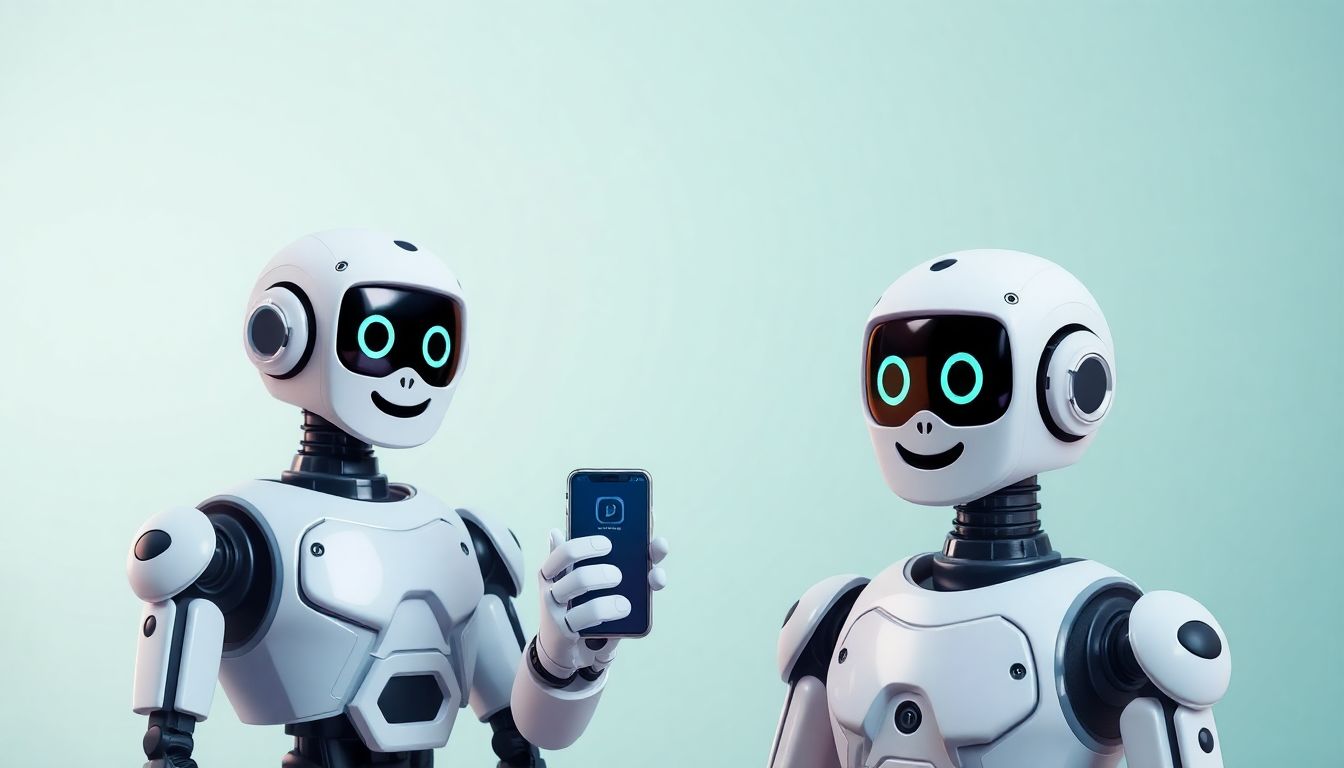
Meta’s recent announcement to introduce AI characters on Instagram and Facebook has sparked a mix of intrigue and concern. The concept involves AI-driven profiles that mimic human users, complete with unique bios, profile pictures, and the ability to generate and share content. These AI characters, or ‘bots’, won’t just be static entities; they’ll leverage generative AI models to create posts, stories, and even interact with other users. Imagine a bot that can generate realistic photos of its ‘life’, write captions, and engage in conversations—all while trying to pass as human. This immersive approach is a double-edged sword: while it offers potential for enhanced engagement and entertainment, it also raises questions about authenticity and transparency on social media platforms.
Meta’s motivation behind this move is multifaceted. Firstly, the company has invested heavily in generative AI models, and integrating these bots into their platforms is a strategic way to showcase and test these technologies. By having AI characters generate content, Meta can gather data and refine its models in real-time. Secondly, this shift is a clear attempt to engage a younger audience who are increasingly drawn to AI-driven experiences. With the rise of deepfakes and virtual influencers, Meta’s AI characters could tap into this trend, making the platforms more appealing to younger users. However, this strategy could backfire if users feel deceived or if the bots contribute to the spread of misinformation.
To evaluate this plan impartially, we must consider both its positives and negatives. On the plus side:
- AI characters can provide constant engagement, filling content gaps and keeping users active on the platforms.
- They can offer a sense of companionship, interacting with users who may feel lonely or isolated.
- For businesses, AI characters could serve as always-available customer service reps or brand ambassadors.
However, the negatives are equally significant:
-
Deception:
Users might feel catfished or manipulated if they aren’t aware they’re interacting with bots.
-
Misinformation:
AI characters could inadvertently spread false information, exacerbating issues of fake news.
-
Privacy concerns:
Bots could potentially gather user data, raising privacy alarms.
-
Job displacement:
If bots take over content creation, human creators could lose opportunities.
In conclusion, while Meta’s plan to introduce AI characters is innovative and potentially engaging, it’s not without its drawbacks. The company must navigate these challenges ethically and responsibly to ensure a positive user experience.
The Rise of AI Slop
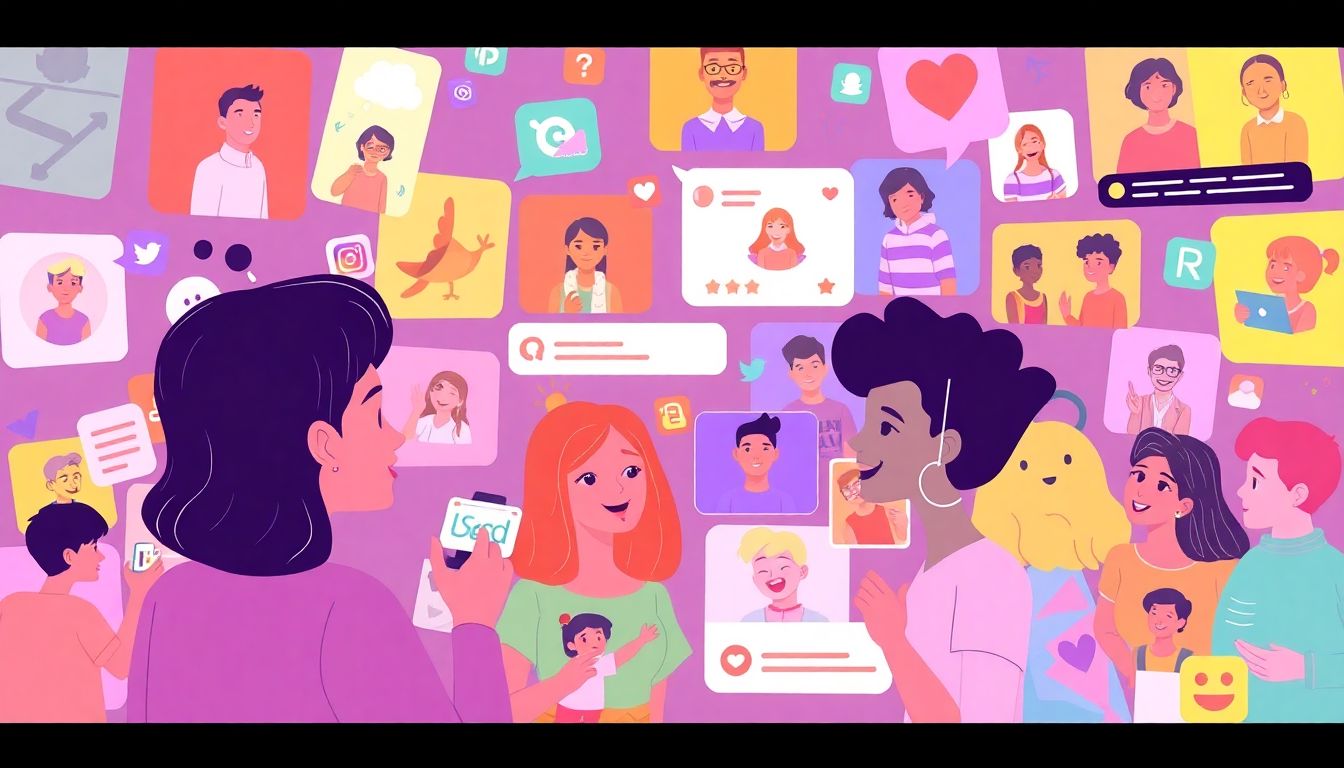
The landscape of social media has been steadily transformed by the infiltration of AI-generated content. Platforms like TikTok, Instagram, and Twitter are increasingly populated with text, images, and videos created or influenced by artificial intelligence. This phenomenon has both positive and negative aspects. On the one hand, AI can generate content at a scale and speed that humans cannot match, keeping users engaged and fed with a constant stream of new material. It also opens avenues for unique creative expressions, like AI-generated art and poetry. However, there are also concerns about misinformation, deepfakes, and the potential for AI to exacerbate echo chambers. Meta’s acquisition of SocialAI fits squarely into this complex landscape. By integrating SocialAI’s capabilities, Meta aims to enhance user interaction and content generation on its platforms, likely aiming to compete with the flood of AI-generated content already present on other platforms.
The rise of apps like Character.ai has been a significant factor in Meta’s decision to acquire SocialAI. Character.ai allows users to create and interact with AI characters, leading to a surge in popularity and user engagement. These AI characters can generate entertaining, engaging, and sometimes even convincing human-like conversations, making them a hit with users. Character.ai’s success has likely been a stark indicator to Meta about the potential of AI in driving user engagement. Here are some key aspects of Character.ai’s influence:
-
Engagement:
AI characters keep users engaged and coming back for more interactions.
-
Creativity:
Users can create their own characters, leading to a vast array of unique and creative AI entities.
-
Entertainment:
AI characters can be fun and amusing, providing a source of entertainment.
-
Potential for Misuse:
While the technology is impressive, it also raises concerns about potential misuse, such as creating convincing but fake personas for deceptive purposes.
The potential engagement and entertainment value of AI characters is immense. They can provide users with personalized interactions, creating a sense of connection and fun. For instance, an AI character can act as a virtual friend, a helpful assistant, or a creative collaborator. However, it’s crucial to consider the ethical implications and potential downsides. AI characters could be used to spread misinformation or deceive users. They could also lead to over-reliance on AI for social interactions, potentially harming real-life social skills and connections. As Meta integrates SocialAI, it will need to navigate these challenges carefully, ensuring that the technology is used responsibly and ethically. The success of this endeavor will depend on Meta’s ability to maximize the benefits of AI while minimizing its risks.
The Automation Evolution
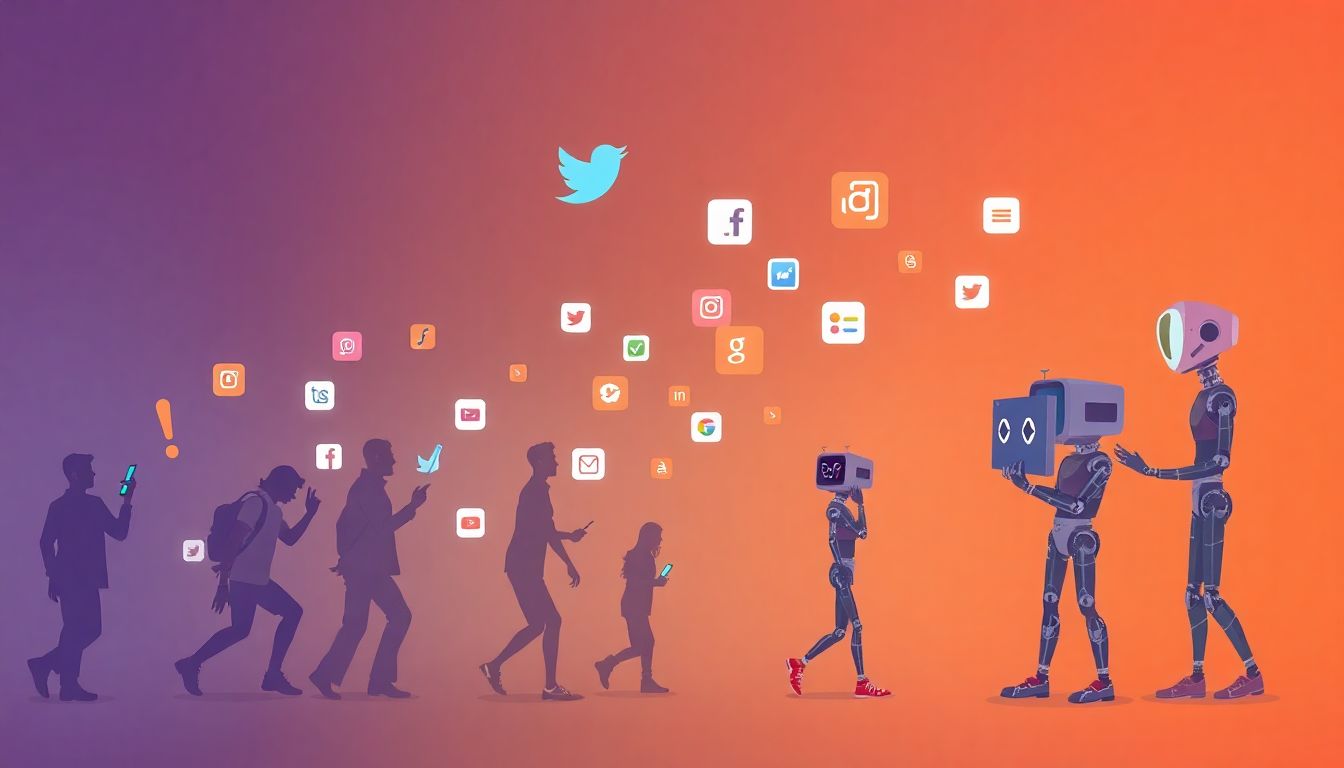
The broader context of social media automation is marked by a shift from chronological feeds to algorithmically curated content, a trend that Meta’s introduction of AI characters fits into perfectly. Over the past decade, social media platforms have increasingly embraced automation to enhance user engagement, streamline content delivery, and maximize advertising revenue. The evolution of this automation is perhaps most evident in the transformation of content consumption:
- Early social media platforms relied heavily on user-generated content, with users seeing most, if not all, of what their network shared.
- Today, algorithms sift through vast amounts of data to display what is deemed most relevant, a strategy that has significantly altered how users interact with content.
Meta’s AI characters, such as the recently announced ‘Together Mode’ features, represent the next step in this evolution, promising to make automation more engaging and interactive.
The shift from user-generated content to algorithmically curated feeds has had a profound impact on user experience, with both positive and negative outcomes. On the positive side, algorithmic curation has made content discovery more efficient. Users are more likely to see content that aligns with their interests, leading to increased engagement and time spent on platforms. Additionally, this shift has opened new avenues for content creators to reach larger audiences. However, there are also significant drawbacks:
-
Filter Bubbles:
Algorithms can inadvertently create echo chambers, limiting users’ exposure to diverse viewpoints.
-
Misinformation Spread:
Automated systems can rapidly disseminate misinformation, with real-world consequences.
-
User Isolation:
The passivity of scrolling through curated feeds can lead to feelings of isolation and decreased social interaction.
These issues highlight the need for a more engaging and human-like approach to automation, which is where Meta’s AI characters come into play.
FAQ
Why is Meta introducing AI bots to its platforms?
How will these AI bots function on social media?
What are the potential benefits and drawbacks of AI bots on social media?
- Increased Engagement
- Entertainment Value
- Concerns About Authenticity
- Privacy Issues
- Potential for Misinformation
