

Welcome to our exclusive report on the latest developments in AI chip restrictions and the geopolitical chess game unfolding between the U.S. and China. As technology continues to shape our world, lawmakers are taking bold steps to ensure national security and maintain technological superiority. Let’s dive into the fascinating world of AI, chips, and international policy.
House China Select Committee leaders urge Commerce Department to include clear redlines in AI export control framework.
The House China Select Committee, chaired by Rep. Mike Gallagher, has recently intensified its efforts to establish clear redlines on the export of AI chips to China, marking a significant escalation in the U.S.-China tech rivalry. The committee’s primary goal is to counter China’s advancing technological capabilities, particularly in the realm of artificial intelligence, which poses significant national security risks. In a bipartisan letter to Commerce Secretary Gina Raimondo, the committee emphasized the urgent need for stricter export controls, stating, “We urge you to establish clear, enforceable redlines on export controls for AI chips and related technologies to prevent China from acquiring capabilities that could be used to undermine U.S. national security.”
The letter, signed by all committee members, highlights the strategic importance of AI chip technology, which underpins a wide range of applications, from autonomous weapons to advanced surveillance systems. The committee argues that without stringent export controls, the U.S. risks enabling China’s military modernization and human rights abuses. “China’s advancements in AI are not merely a matter of economic competition,” the letter warns, “but a matter of national security and moral imperative.” The committee calls for a comprehensive review of existing export controls and a more proactive approach to preventing the transfer of sensitive technologies.
The broader implications of these proposed restrictions are multifaceted. On one hand, tightening export controls could significantly hinder China’s technological progress, maintaining the U.S.’s competitive edge in AI. However, critics argue that such restrictions could also accelerate China’s drive for technological self-sufficiency, leading to a decoupling of the U.S. and Chinese tech industries. Moreover, the restrictions could have substantial economic repercussions, affecting global supply chains and the semiconductor industry’s complex ecosystem. “We must strike a balance,” noted a prominent AI expert, “between safeguarding national security and avoiding economic backlash that could harm U.S. technological leadership in the long run.”
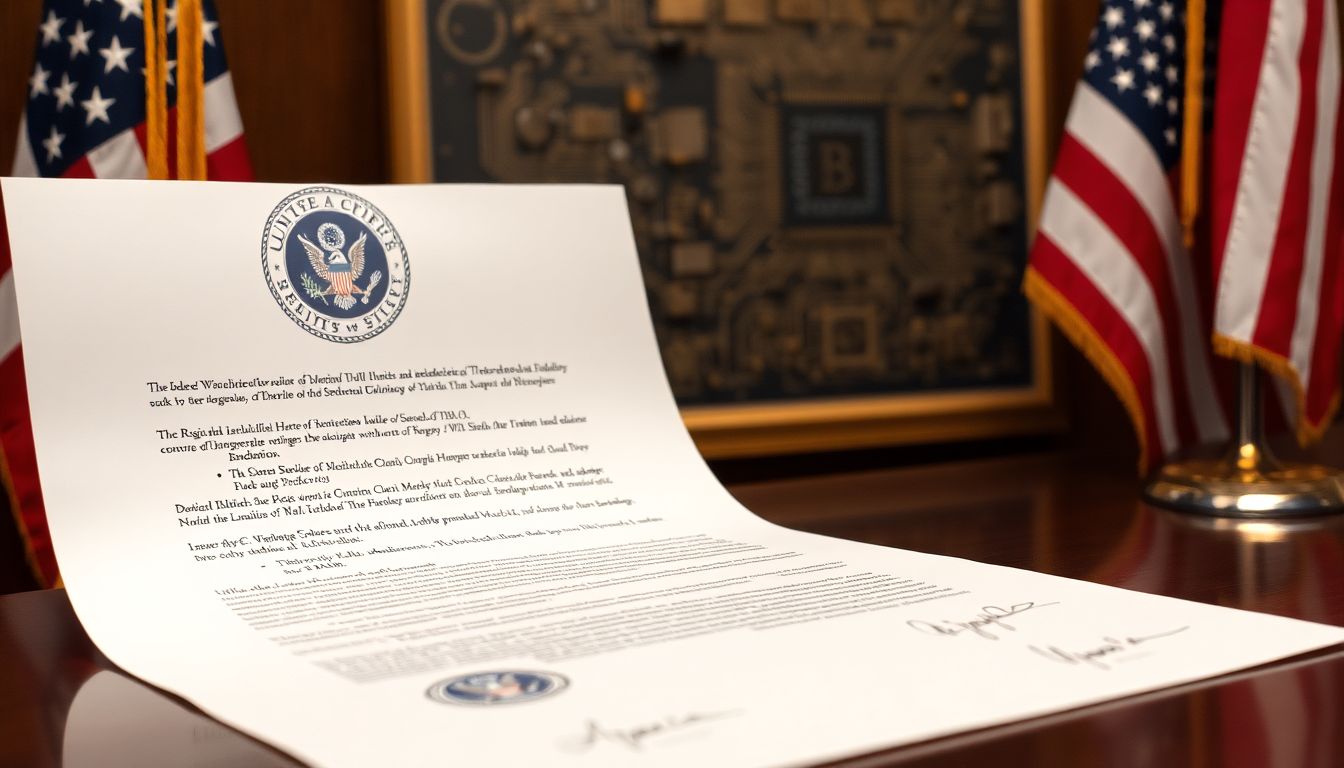
The Letter: Clear Redlines for AI Chip Exports
In a recent move that underscores the escalating tensions and concerns around technological advancements and national security, leaders of the House China Select Committee have penned a letter to Commerce Secretary Gina Raimondo. The letter, a stark reflection of the committee’s priorities, emphasizes the urgent need for the U.S. to establish clear and unambiguous redlines regarding the export of advanced technologies, particularly Graphics Processing Units (GPUs) and Artificial Intelligence (AI) models. This call for action is not merely an abstract appeal; it is a concrete response to the growing apprehension about the potential misuse of these technologies by certain countries.
The letter explicitly calls for the Commerce Department to set specific and enforceable boundaries on the export of these advanced tools. The committee leaders argue that without such clear guidelines, the U.S. risks inadvertently aiding foreign entities in bolstering their military capabilities, surveillance systems, and other apparatuses that could pose threats to U.S. interests and global stability. To underscore their point, the letter provides a stark reminder of how technologies, initially developed for civilian purposes, have been repurposed for military applications in the past.
To ensure the effectiveness of these proposed restrictions, the committee leaders have gone a step further by highlighting specific countries that should be subject to these limitations. While the letter does not provide an exhaustive list, it does single out a few notable examples, with a strong emphasis on nations known for their advances in AI and GPU technologies, as well as those with a history of intellectual property theft or human rights abuses. Some of the countries mentioned include:
- China: Cited for its rapid AI advancements and alleged intellectual property violations.
- Russia: Noted for its military applications of AI and history of cyberwarfare.
- Iran: Mentioned for its human rights record and potential use of AI in surveillance.
The letter, however, is not without its critics. Some argue that such restrictions could hinder global technological progress, while others express concerns about the potential economic backlash and the risk of pushing affected countries into developing indigenous technologies, further intensifying the global tech race.

The Microsoft-G42 Deal: A Cautionary Tale
The recent approval by the U.S. government of the export of advanced AI chips to the United Arab Emirates (UAE) as part of a deal between Microsoft and Abu Dhabi-based technology company G42 has sparked a mix of intrigue and concern. The deal, which involves the export of high-performance AI chips typically subject to strict controls due to their potential military applications, has been greenlit by the Biden administration. This approval is notable because it is one of the few instances where the U.S. has permitted the export of such advanced technology to a Middle Eastern country. The Microsoft-G42 partnership aims to bolster the UAE’s technological capabilities, particularly in the realms of cloud computing and artificial intelligence.
Several U.S. lawmakers have raised concerns over the potential implications of this deal. The primary worries can be categorized as follows:
-
Proliferation Risks:
There are fears that the advanced AI technology could be misused or transferred to other countries with malicious intent.
-
Human Rights Issues:
Critics have pointed out the UAE’s questionable human rights record, suggesting that the technology could be used to further suppress freedoms.
-
Geopolitical Implications:
There is apprehension about how this deal might affect the regional power dynamics and the U.S.’s own strategic interests.
To understand the broader strategy behind this deal, it is essential to consider the U.S.’s ongoing efforts to counter China’s growing influence in the technology sector. By strengthening the technological capabilities of its allies, the U.S. can create a counterbalance to China’s tech dominance. The approval of the Microsoft-G42 deal can be seen as a part of this strategy, where the U.S. is leveraging its technological prowess to reinforce its geopolitical standing. However, the balance between promoting technological advancement and mitigating potential risks remains a delicate one, requiring careful navigation and oversight.
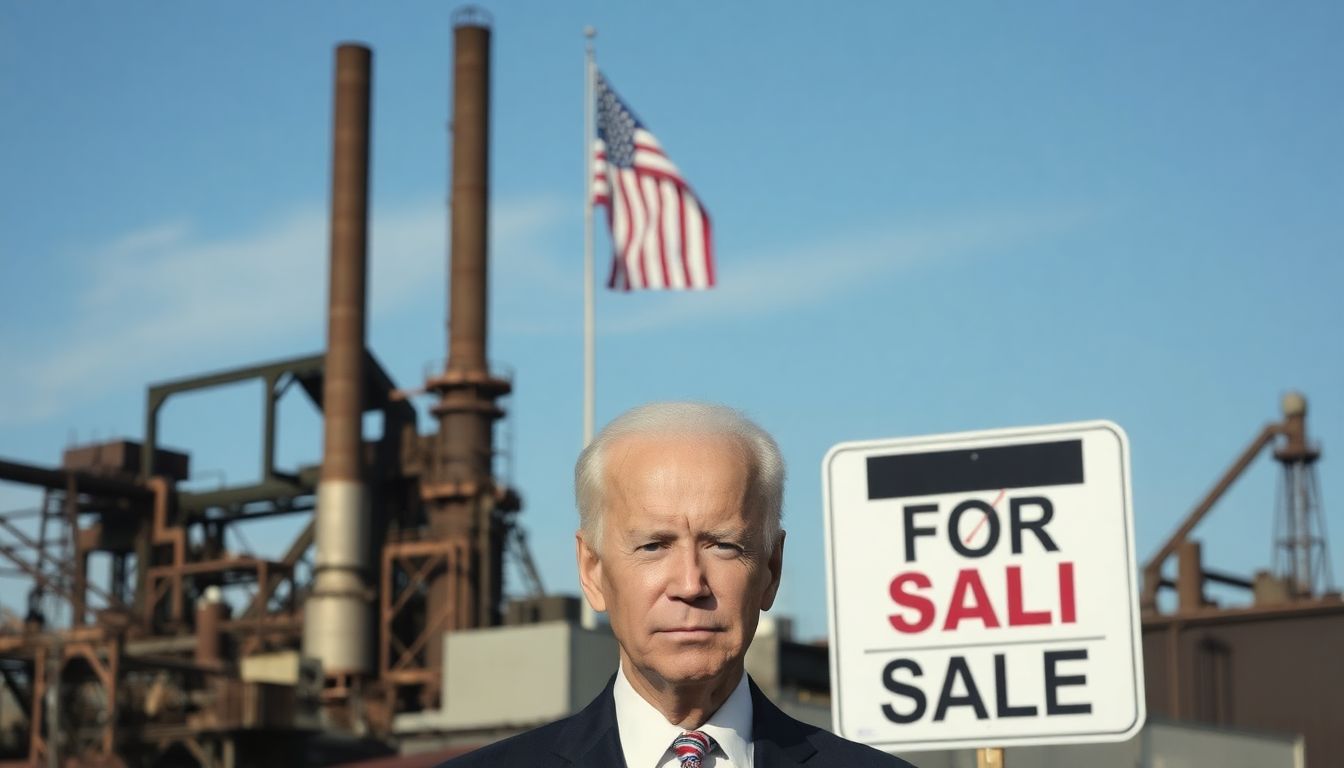
The Biden Administration: Blocking Nippon’s Takeover of U.S. Steel
President Biden’s expected move to block Japan’s Nippon Steel from acquiring U.S. Steel is a multifaceted issue that warrants close examination. The anticipated intervention is likely driven by a confluence of economic and political considerations. Economically, the administration is keen to protect domestic steel production and jobs, with U.S. Steel being a significant employer in several states. Politically, the move aligns with the President’s promise to prioritize American manufacturing and workers. Furthermore, the decision reflects a broader trend of intensifying scrutiny over foreign acquisitions of U.S. assets, particularly in industries deemed critical to national security.
The potential impact on U.S. Steel’s operations is profound. On one hand, the block could provide a degree of stability for the company’s workers and management, as they would not have to navigate the uncertainties that often accompany foreign acquisitions. However, it could also stifle potential investments and innovations that Nippon Steel might have brought. U.S. Steel’s operations might face:
- Limited access to new technologies and capital investments that Nippon Steel could have provided.
- Potential struggles to compete internationally, as the block may hinder U.S. Steel’s ability to expand or diversify its operations.
- A need to explore alternative strategies for growth and competitiveness within the confines of the domestic market.
The broader implications for national security and international relations are complex. From a national security perspective, the administration’s decision underscores the strategic importance of the steel industry. Maintaining domestic control over steel production ensures the U.S. can independently produce materials critical for defense and infrastructure. However, from an international relations standpoint, the move risks straining U.S.-Japan ties. Japan, a key ally, may view the block as a protectionist measure that undermines their economic interests. This could potentially:
- Complicate diplomatic efforts, especially in areas where U.S.-Japan cooperation is crucial, such as countering China’s influence in the region.
- Trigger retaliatory measures from Japan, further exacerbating economic tensions.
- Set a precedent for other countries to adopt similar protectionist stances, potentially leading to a domino effect in global trade.
FAQ
What is the House China Select Committee?
What are ‘clear redlines’ in the context of AI chip exports?
Why are lawmakers concerned about the Microsoft-G42 deal?
What are the potential impacts of blocking Nippon’s takeover of U.S. Steel?
- Potential job losses or plant closures in Pennsylvania
- Strained relations between the U.S. and Japan
- Potential retaliation from Japan
