

Dive into the fascinating world of AI and its potential impact on the job market in Baton Rouge. This article explores the findings of a recent study and offers insights into how AI might reshape the economic landscape of the region.
Exploring the Impact of AI on the Local Job Market
Imagine the Baton Rouge skyline of 2075, a panorama of sleek, eco-friendly skyscrapers that kiss the sky, their surfaces shimmering with photovoltaic glazing. The Mississippi River is a vibrant artery, no longer choked with the industry of yesteryears, but bustling with electric cargo ships and hydrogen-powered passenger ferries. The air is clean, monitored by a network of AI-driven environmental management systems that have turned the city’s smoggy past into a distant memory. The city’s architecture is a harmonious blend of cutting-edge technology and Creole charm, with historic buildings preserved and enhanced by 3D-printed renovations.
Zoom in on the city’s hubs of industry, and you’ll see a workforce that’s equal parts human and machine. In state-of-the-art hospitals, AI-powered robots assist human surgeons with precision operations, while in petrochemical plants, robotic counterparts work in tandem with human engineers to ensure safe and efficient operations. In sales, AI isn’t just a tool; it’s a colleague, working alongside human professionals to predict customer needs and drive growth. This is not a city of human versus machine, but a harmonious integration of the best of both worlds. Yet, it’s not a utopia; it’s a city grappling with change, where questions of ethics, employment, and equality are constantly debated and reshaped.
The AI Boom and Its Economic Impact
The ongoing AI boom has sparked significant interest and debate among economists studying its potential effects on the U.S. economy. While AI promises substantial benefits, such as increased productivity, innovation, and even new job creation, it also presents challenges that need to be addressed. Some of the key points of contention include:
-
Job Displacement:
AI could automate certain jobs, leading to job loss in specific sectors.
-
Skills Gap:
The workforce may not be adequately skilled to keep up with AI-driven demands.
-
Economic Inequality:
AI could exacerbate income and wealth disparities, as those who own AI capital may reap disproportionate benefits.
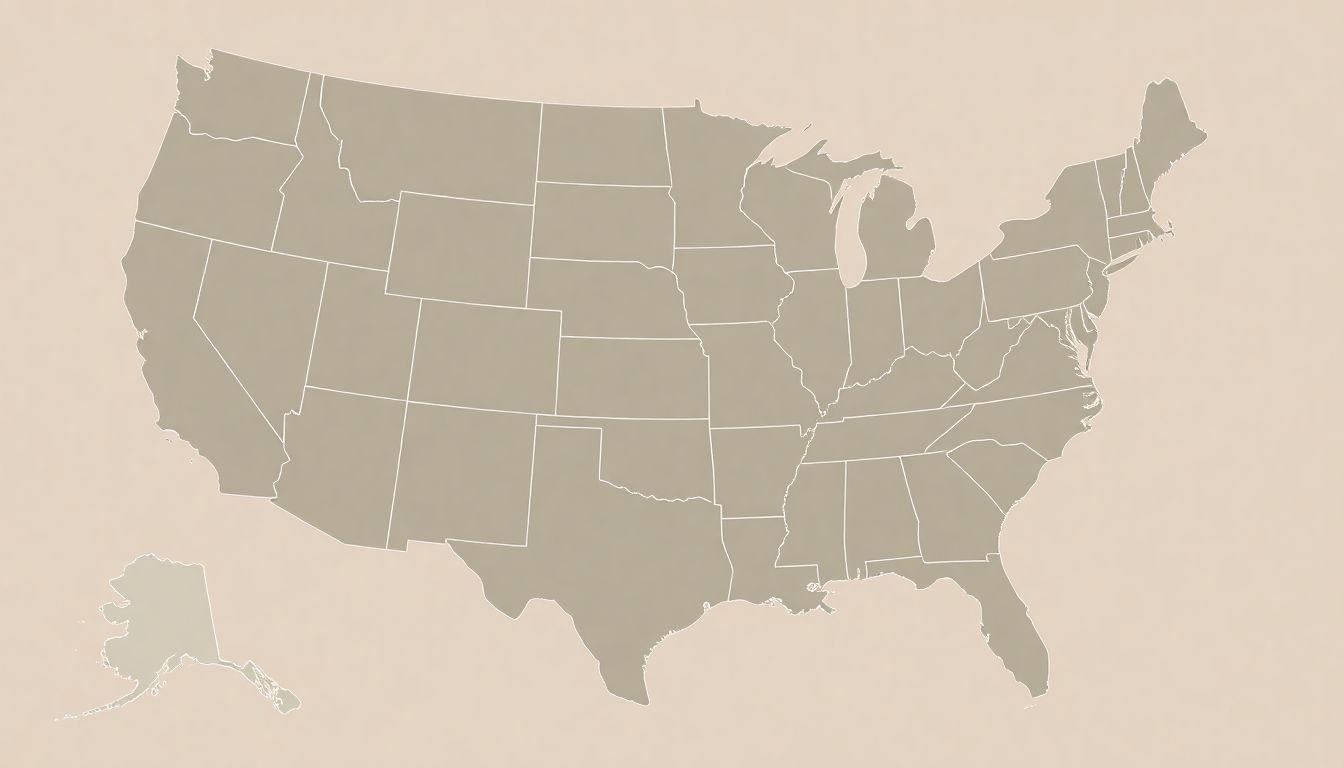
A study by Scott Abrams and Frank Levy, however, moves away from the general predictions and focuses on the regional impacts of AI. To do this, they used historical data from the 1980 Census and the Dictionary of Occupational Titles (DOT) to analyze how AI might affect different regions in the U.S. Their approach is notable for several reasons:
-
Granular Analysis:
By focusing on regions, they provide a more nuanced view of AI’s potential impacts, rather than broad generalizations.
-
Historical Context:
Using historical data allows them to draw parallels with past technological shifts, providing a solid foundation for their predictions.
-
Occupation-Specific:
By leveraging the DOT, they consider the specific tasks and skills involved in different jobs, offering a more precise assessment of AI’s potential impacts.
However, while Abrams and Levy’s study provides valuable insights, it also has its limitations. These include:
-
Data Limitations:
The use of historical data may not fully capture the nuances of today’s job market or the capabilities of modern AI.
-
Assumption Dependence:
The study’s predictions are based on certain assumptions about AI’s capabilities and adoption rates, which may not hold true.
-
Lack of Policy Consideration:
The study does not account for potential policy responses that could mitigate AI’s negative impacts or promote its benefits.

Baton Rouge’s Resilience to AI Disruption
Baton Rouge and New Orleans, two of Louisiana’s major metropolitan areas, are often cited as being less vulnerable to AI disruption than other urban hubs. This resilience can be attributed to several factors that are unique to these regions. Firstly, the economic backbone of Baton Rouge is heavily invested in industries that are less susceptible to automation. The city’s key industries include petrochemical production, healthcare, and education, all of which require significant human oversight and specialized skills that AI currently struggles to replicate.
One of the primary reasons for this reduced vulnerability is the nature of the occupations in these sectors. In the petrochemical industry, for instance, jobs often involve complex problem-solving, critical thinking, and manual dexterity, which are areas where AI still lags behind human capabilities. Additionally, the healthcare sector relies heavily on human interaction, empathy, and ethical decision-making, all of which are challenging for AI to mimic effectively. Similarly, education requires personalized instruction, emotional support, and adaptability, which are not easily replaced by automated systems.
However, it is essential to maintain a balanced perspective. While Baton Rouge and New Orleans may be less vulnerable to AI disruption, they are not immune to it. There are several occupations within these industries that could be augmented or partially automated by AI, leading to potential job displacement. For example:
- Administrative tasks in healthcare and education could be streamlined by AI, reducing the need for human administrators.
- Data analysis in petrochemical plants could be enhanced by AI, potentially replacing some human analysts.
- Customer service roles could be automated through AI chatbots, affecting jobs in various sectors.
Therefore, while the core industries in Baton Rouge and New Orleans provide some buffer against AI disruption, continuous upskilling and adaptation will be crucial for the workforce to stay relevant in the face of advancing technology.

Policy Implications and Future Prospects
The adoption of Artificial Intelligence (AI) presents a myriad of policy implications that cities like Baton Rouge must carefully consider. While AI promises enhanced efficiency, improved public services, and economic growth, it also raises concerns about job displacement, data privacy, and potential exacerbation of social inequalities. By moderating the speed of AI adoption, Baton Rouge can mitigate these risks and ensure that the benefits of AI are equitably distributed. A phased approach allows for thorough evaluation and adaptation of policies, such as workforce retraining programs, robust data governance frameworks, and community engagement initiatives. This strategy can help Baton Rouge attract professionals from more vulnerable cities by showcasing a balanced and responsible approach to AI integration.
Slowing down AI adoption can also foster a more inclusive digital transformation. Baton Rouge can use this opportunity to:
- Develop public-private partnerships to invest in infrastructure and education,
- Create pilot programs to test AI applications in various sectors, such as healthcare, education, and transportation,
- Establish ethical guidelines to ensure that AI is used responsibly and for the benefit of all residents.
Moreover, by positioning itself as a city that thoughtfully integrates AI, Baton Rouge can appeal to professionals seeking a more stable and considered approach to technological advancement. This can be particularly attractive to those from cities where rapid, unchecked AI adoption has led to gentrification, increased living costs, and a widening wealth gap. However, it’s crucial for Baton Rouge to address potential drawbacks of slower AI adoption, such as:
- Potential delay in economic growth and technological advancement,
- The need for continuous public education to maintain support for AI initiatives,
- The risk of being outpaced by competing cities that embrace AI more rapidly.
FAQ
What are the key determinants of AI’s disruptive potential?
Why is Baton Rouge less vulnerable to AI disruption?
What can policymakers do to mitigate the impact of AI?
- Investing in education and training programs to upskill workers
- Providing support for industries and occupations most vulnerable to AI disruption
- Encouraging diversification of the local economy
