
Welcome to a future where your fridge does more than just keep your food cold! Samsung’s latest innovation brings artificial intelligence into your kitchen, transforming your refrigerator into a smart shopping assistant. Let’s dive into the exciting world of Samsung’s smart fridges and their new partnership with Instacart.
Discover how Samsung’s AI-powered fridges are revolutionizing the way you shop for groceries.
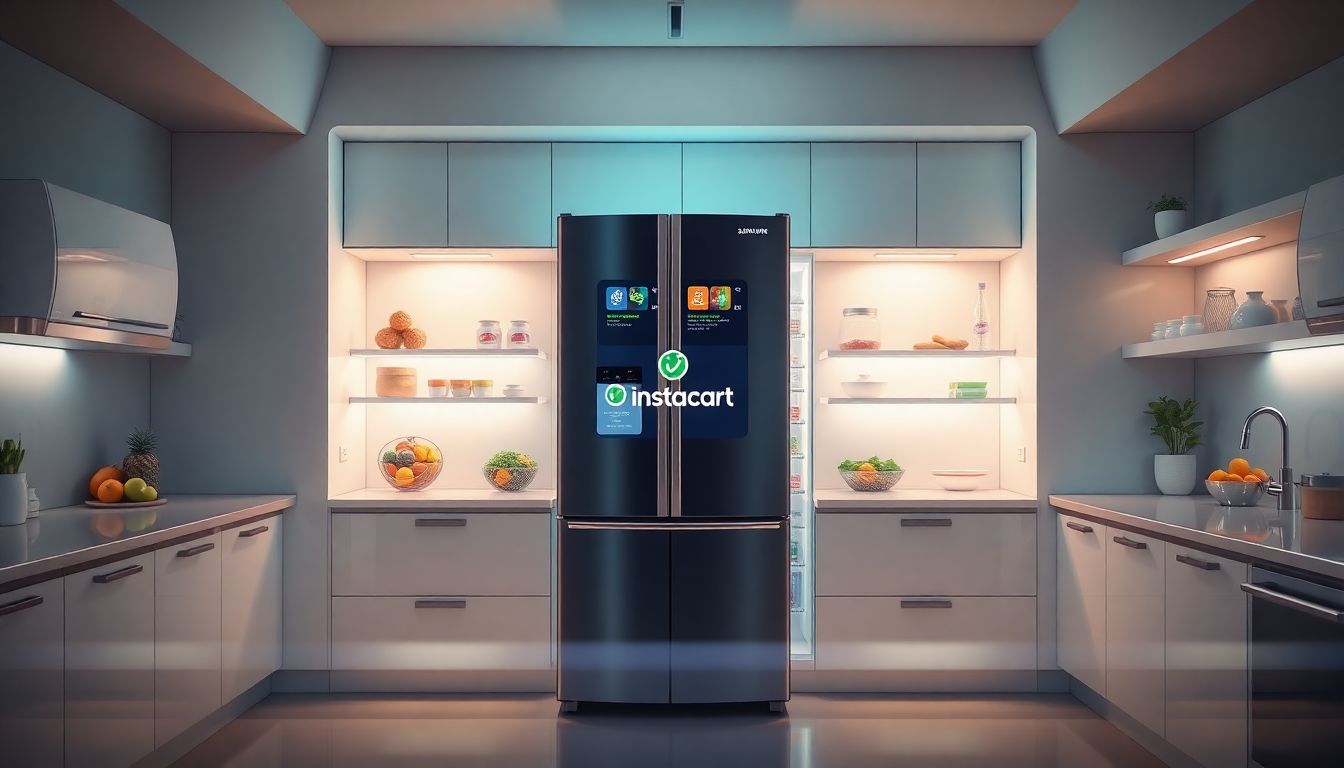
Imagine stepping into your kitchen of the future, a sleek and seamless blend of technology and culinary art. The centerpiece of this modern marvel is the Samsung smart fridge, a gleaming monument to innovation, humming softly with an aura of futuristic charm. Its front is not just a mere door, but a vibrant screen pulsating with life, displaying an array of grocery suggestions that seem to dance before your eyes. The screen is a window into a world of convenience, where the Instacart logo proudly sits, a testament to the integration of smart technology and everyday life.
The fridge seamlessly communicates with your kitchen ecosystem, flashing alerts for expiring foods, and offering recipes based on the ingredients currently chilling within. It’s not just a cold storage vessel, but a proactive partner in your culinary adventures. The kitchen counters are clutter-free, replaced by smart surfaces that can charge your devices wirelessly. Above, sleek pendant lights automatically adjust their brightness and color temperature based on the time of day, while a state-of-the-art smart oven stands ready to prepare your Instacart-delivered ingredients with a simple voice command.
The Magic of AI Vision Inside
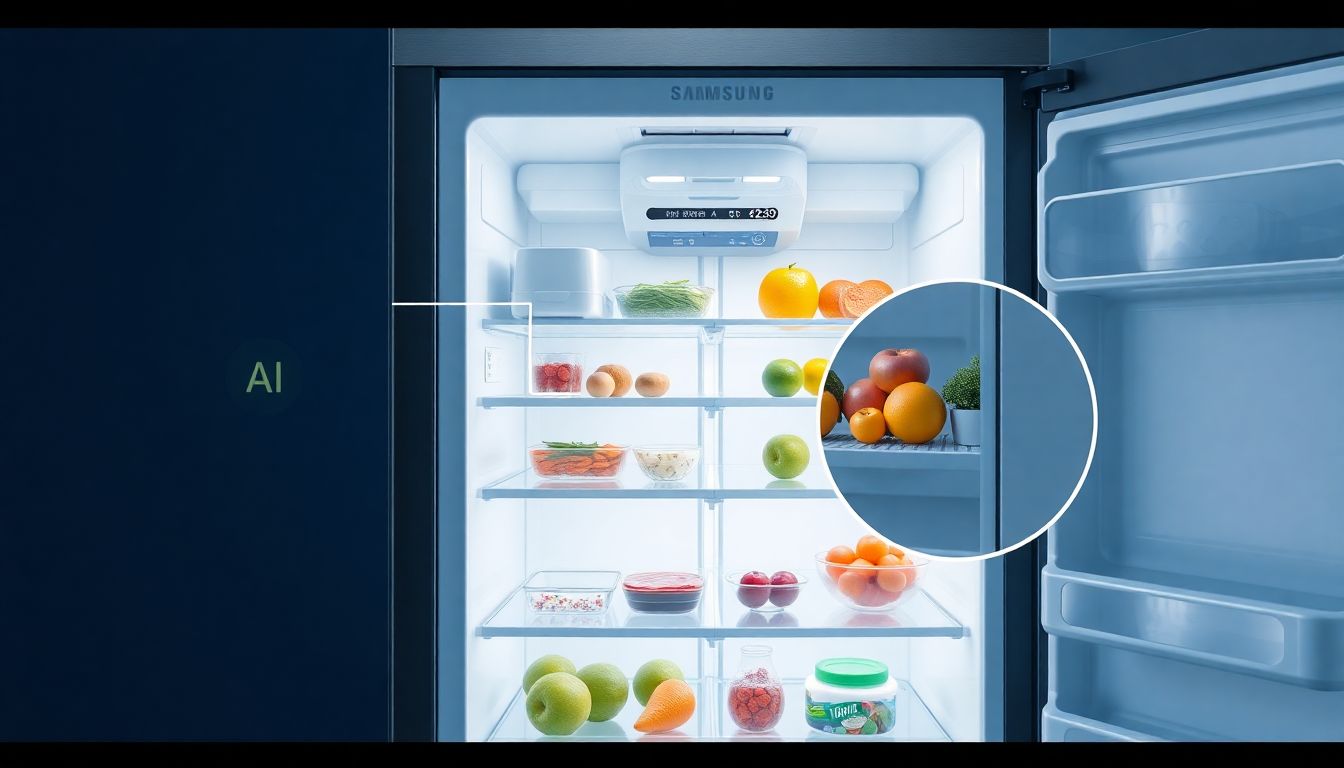
Samsung’s AI Vision Inside technology is a cutting-edge innovation designed to revolutionize kitchen management, with the camera positioned above the fridge door playing a pivotal role. This camera acts as a digital eye, continuously monitoring the contents of the refrigerator. The true magic lies in the local AI integrated into the system. This AI is trained to recognize up to 37 different food items, an impressive feat that showcases the advancements in object recognition technology.
The process is straightforward yet ingenious. The camera captures images of the fridge’s contents, and the local AI analyzes these images to identify the types and quantities of food items present. This technology does not rely on cloud processing, ensuring user privacy and data security, a significant positive aspect of the design. By operating locally, the AI can provide real-time updates without the need for an internet connection, enhancing reliability. However, the limited dataset of only 37 food items could be seen as a drawback, as it may not cover the diverse range of groceries found in many households.
One of the standout features of Vision Inside is its ability to identify when items are running low, a potential game-changer for grocery management. Here’s how it simplifies the process:
- The AI tracks the quantity of each food item and learns consumption patterns over time.
- When an item is nearing depletion, the system can send alerts to the user’s smartphone, prompting them to add it to their shopping list.
- Moreover, the technology can integrate with grocery apps, streamlining the shopping process by automatically updating the list or even facilitating direct orders.
While this feature offers significant convenience, it also raises questions about over-reliance on technology and potential overspending if the AI fails to accurately assess when items are truly needed. Nevertheless, the Vision Inside technology represents a significant step forward in smart home innovation, embodying both the promises and challenges of AI in everyday life.
Seamless Integration with Instacart
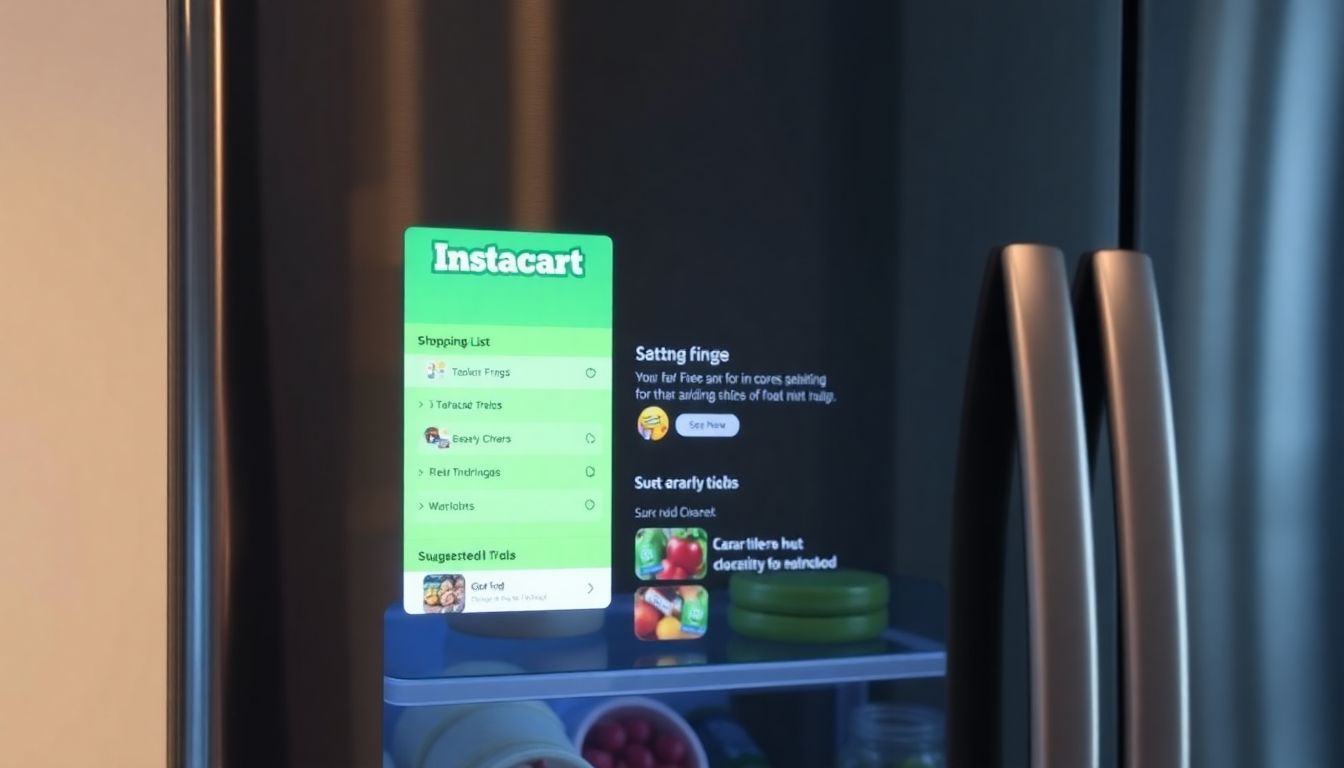
The recent partnership between Samsung and Instacart is a notable example of how AI can integrate with everyday household appliances to provide enhanced convenience. The collaboration revolves around Samsung’s Family Hub refrigerators, which are equipped with an AI-powered platform that can communicate seamlessly with Instacart’s API. This communication enables the fridge’s AI to suggest groceries based on the user’s consumption patterns and even place orders directly through Instacart. The process is intuitive: the AI learns from the user’s habits, checks the current inventory via cameras and sensors, and then uses Instacart’s API to update the shopping list and facilitate ordering.
The benefits of this integration are multifold. Firstly, the automatic updates to the food list ensure that users never run out of essentials. The AI can track the quantity of items and predict when they will run out, adding them to the Instacart list preemptively. This proactive approach reduces the cognitive load on users, freeing them from the mundane task of manually tracking their grocery needs. Secondly, the convenience of ordering directly from the fridge screen cannot be overstated. Users can review suggested items, modify the list as needed, and confirm orders all from the refrigerator’s interface. This seamless experience is particularly beneficial for busy individuals and families, streamlining their grocery shopping process.
However, it’s essential to examine this integration from a critical perspective. While the convenience is undeniable, there are potential drawbacks to consider:
-
Over-reliance on technology:
Users might become too dependent on the AI, leading to a lack of manual checking and potential oversights.
-
Data privacy:
The integration requires sharing consumption data with both Samsung and Instacart, raising privacy concerns.
-
Technical glitches:
Any malfunction in the AI or connectivity issues could lead to incorrect suggestions or failed orders.
-
Limited to Instacart:
The partnership exclusively benefits Instacart users, excluding those who prefer other grocery services.
In conclusion, the Samsung-Instacart partnership presents a innovative use of AI in home appliances, offering significant conveniences while also presenting areas for caution and improvement.
The Evolution of Smart Fridges
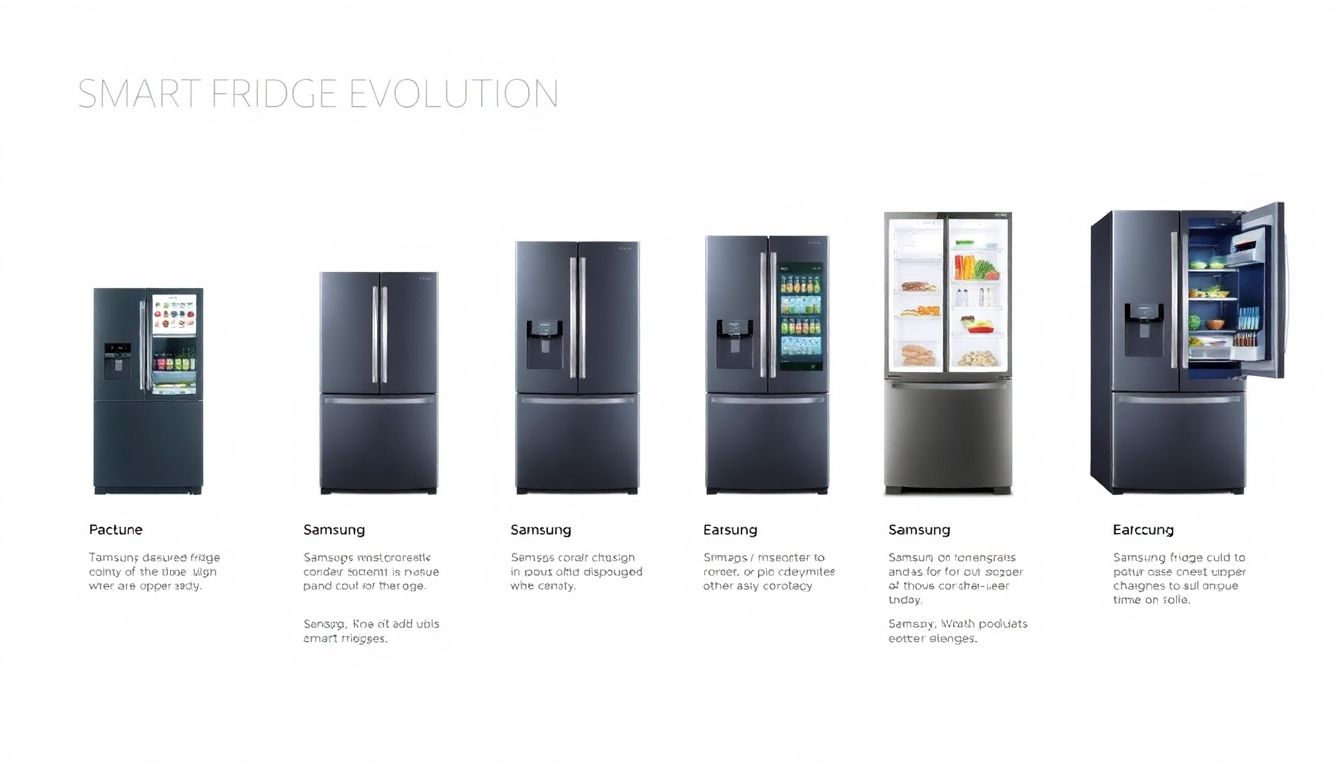
The evolution of smart fridges can be traced back to the early 2000s, when LG introduced the first internet-connected refrigerator. These early models featured basic functionalities like digital memo boards and web browsing. However, it was not until the mid-2010s that smart fridges began to integrate more advanced features, such as internal cameras and touchscreen interfaces. A notable development during this period was the collaboration between Samsung and Instacart, which resulted in an app that allowed users to order groceries directly from their fridge. The app was well-received for its convenience, but it mysteriously disappeared from Samsung fridges, leaving users puzzled and sparking speculation about the reasons behind its removal.
The disappearance of the Instacart app from Samsung fridges raised several questions about the sustainability and reliability of smart home integrations. While the app’s removal was a setback, it also highlighted the need for more robust and seamless integrations in smart home technology. The incident served as a learning experience for both manufacturers and consumers, emphasizing the importance of long-term support and compatibility in smart home ecosystems.
Looking ahead, the future of smart fridges and smart home technology is poised for significant advancements with the integration of AI-powered features. These new features promise to revolutionize grocery shopping and home management. For instance, AI can enable predictive shopping lists, automatic inventory management, and personalized recipe suggestions based on the contents of the fridge. However, there are also potential drawbacks to consider:
-
Privacy concerns:
AI-powered features may require extensive data collection, raising questions about user privacy and data security.
-
Technological dependence:
Over-reliance on AI could lead to a lack of manual oversight, potentially resulting in errors or missed items.
-
Market fragmentation:
The variety of smart home ecosystems may lead to compatibility issues, making it challenging for users to integrate different devices seamlessly.
Despite these challenges, the potential benefits of AI in smart home technology are substantial, and the industry is likely to continue pushing the boundaries of what is possible.
