

In today’s competitive job market, leveraging Artificial Intelligence (AI) can give you a significant edge. From streamlining your job search to tailoring your resume, AI tools are transforming the way job seekers approach their career hunts. However, it’s crucial to strike a balance between utilizing AI and maintaining a personal touch. This article will guide you through making the most of AI in your job search while avoiding common pitfalls.
AI can streamline your job search, but you still need your personal touch to stand out.
The illustration captures the modern-day job search landscape with striking accuracy. A job seeker, laptop perched precariously on their knees, is the focal point. The laptop’s screen, awash with the glow of AI-powered job search tools, hints at the digital revolution that has swept through the recruitment industry. Surrounding the job seeker is a constellation of icons: neatly tied resumes, scrolling job listings, and a robot assistant, symbolizing the blend of human effort and artificial intelligence that characterizes today’s job hunting process.
However, the illustration also invites introspection into the implications of this AI integration. While the robot assistant may signify efficiency, it also raises questions about the depersonalization of the job search process. The abundance of job listings, while initially promising, could also be interpreted as a commentary on the overwhelming nature of the job market, where quantity does not always equate to quality. The neatly tied resumes, while visually appealing, might hint at the standardization of applications, questioning whether individuality is lost in the face of AI algorithms.

Leveraging AI for Job Search Efficiency
In the contemporary job market, AI is emerging as a powerful tool for job seekers, revolutionizing the way they search for relevant job listings. AI-driven job platforms like LinkedIn’s Job Matching and ZipRecruiter’s AI leverage machine learning algorithms to analyze a seeker’s skills, experience, and preferences to suggest tailored job openings. These tools can significantly reduce the time and effort required to find suitable employment opportunities. For instance, LinkedIn’s AI can scan millions of job postings and highlight those that best match a user’s profile, while ZipRecruiter’s AI can learn from a job seeker’s interactions to improve its recommendations over time.
Beyond job searches, AI can also assist in crafting compelling resumes. Tools like Rezi and CV Compiler use AI to help job seekers tailor their resumes to specific job descriptions. These platforms can automatically suggest relevant keywords, optimize formatting, and even provide feedback on the resume’s content. By ensuring that a resume is aligned with the job description, these AI tools can increase the chances of passing through applicant tracking systems (ATS) and catching the eye of human recruiters. However, it’s crucial to note that over-reliance on these tools may lead to generic resumes that lack personal touch, potentially hindering the ability to showcase unique qualities.
AI’s utility extends to interview preparation, with tools like Big Interview and InterviewAI offering simulated interview experiences. These platforms use AI to provide realistic mock interviews, complete with feedback on responses and body language. Such tools can be invaluable for job seekers looking to improve their interview skills and build confidence. Nevertheless, while these AI tools offer convenience and efficiency, they may not fully capture the nuances of human interaction and cultural fit, which are often critical in the interview process. Therefore, job seekers should use these tools as supplements rather than replacements for traditional interview preparation methods.

The Importance of Human Touch
In the age of artificial intelligence (AI) and automated recruitment tools, it’s easy to assume that the job search process could become entirely digitized. However, personal interaction and human touch remain essential. While AI can efficiently screen resumes and even conduct initial interviews, it has several limitations. AI lacks human intuition, emotional intelligence, and the ability to read non-verbal cues, which are crucial in assessing a candidate’s cultural fit and long-term potential. Moreover, AI algorithms can inadvertently perpetuate biases present in their training data, leading to unfair outcomes.
On the other hand, networking and personal branding are more important than ever. Networking allows job seekers to build relationships with industry professionals, gain insights into job roles, and access hidden job markets. Personal branding, meanwhile, helps candidates differentiate themselves, highlight their unique values, and establish trust with potential employers. While AI can help identify job opportunities and even optimize resumes, it cannot replicate the authentic connections and reputation building that networking and personal branding offer.
To strike a balance between leveraging AI and maintaining human touch, consider the following strategies:
- Use AI tools for initial job searches, resume optimization, and interview preparation, but complement these with traditional networking methods.
- Attend industry events, join professional groups, and engage with recruiters to build personal connections.
- Develop a strong personal brand through consistent online presence, thought leadership, and endorsements from colleagues and mentors.
- Be mindful of the limitations of AI and advocate for human involvement in critical stages of the recruitment process.
Common Pitfalls to Avoid
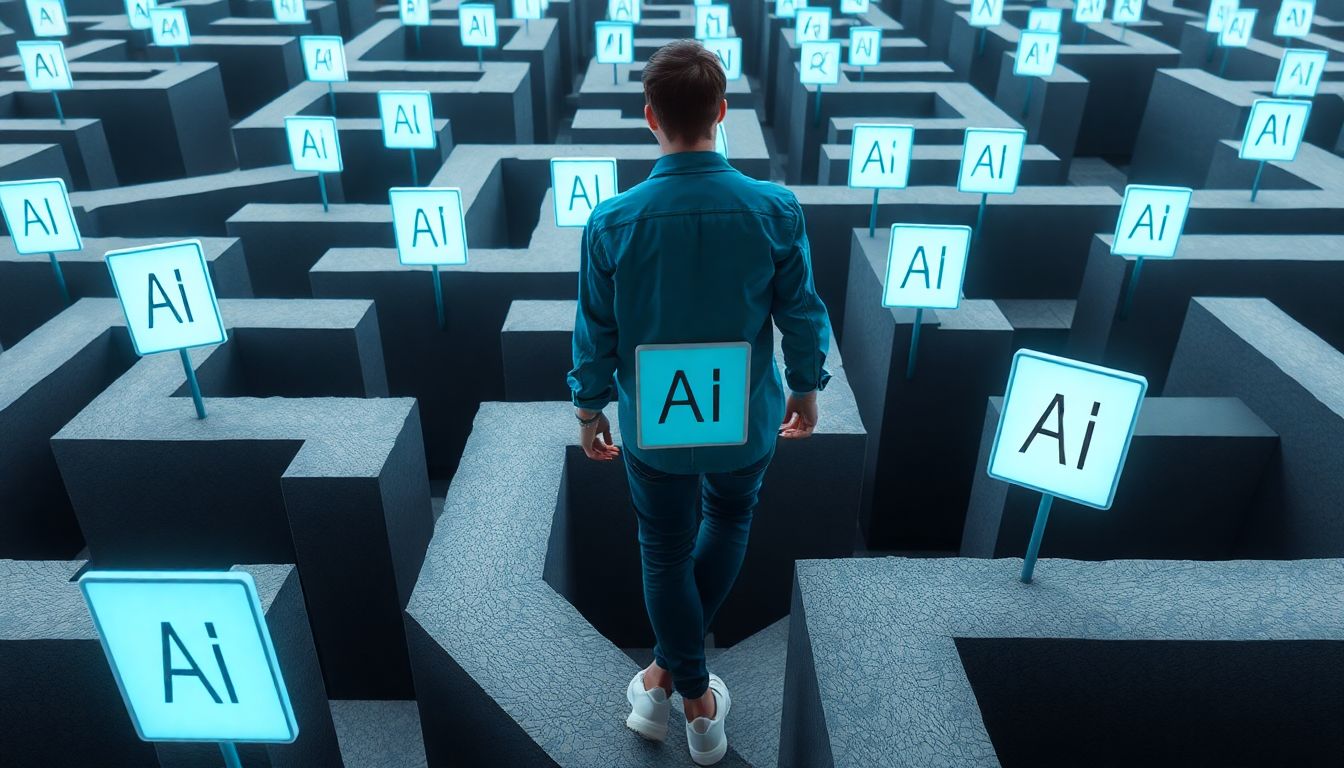
In the contemporary job market, AI tools have emerged as a double-edged sword, offering unprecedented convenience while presenting unique pitfalls for unwary job seekers. One common mistake is an over-reliance on AI-generated applications, which can lead to generic, impersonal materials that fail to showcase an individual’s unique qualities. Job applicants may be tempted to use AI for crafting resumes, cover letters, or LinkedIn profiles, but these tools often produce bland, keyword-stuffed content that recruiters are adept at spotting.
Another misstep is depending too heavily on AI for job search and networking. While AI can streamline the process of finding job postings and suggesting connections, it cannot replicate the authenticity of human interaction. Job seekers who rely solely on AI algorithms may miss out on valuable networking opportunities or fail to engage meaningfully with potential employers. Additionally, AI may not accurately interpret job descriptions or company cultures, leading to poor-fit applications.
To avoid these pitfalls and maintain a balanced approach, consider the following tips:
- Use AI as a supplement to your job search, not a replacement for traditional methods.
- Personalize AI-generated content to ensure it reflects your voice and experiences.
- Leverage AI for initial drafts or inspiration, but always review and revise the output.
- Prioritize human engagement in networking and job applications.
- Stay informed about AI’s limitations and the importance of human touch in the job search process.
FAQ
What are some popular AI tools for job searching?
- LinkedIn’s job matching algorithm
- Indeed’s job search filters
- Resume optimization tools like Jobscan
- Interview preparation platforms like Interview.ai
.
How can AI help tailor my resume?
- Analyzing job descriptions to identify key skills and keywords
- Providing suggestions for improving your resume’s format and content
- Offering templates that are optimized for Applicant Tracking Systems (ATS)
.
Why is networking still important in the age of AI?
- It builds personal connections that AI cannot replicate
- It provides opportunities for mentorship and guidance
- It can lead to job referrals and insider information about job openings
.
What are some common pitfalls to avoid when using AI for job searching?
- Relying solely on AI for job listings and missing out on networking opportunities
- Over-optimizing your resume with keywords, making it sound robotic
- Neglecting to prepare for interviews beyond AI-generated questions
.
