

Paul McCartney, the legendary Beatle, has recently shifted his stance on artificial intelligence (AI) after initially using it to produce a new ‘Beatles’ song. His new perspective raises alarms about the potential impact of AI on the music industry. Let’s delve into this intriguing turn of events.
From AI-assisted Beatles tracks to fears of industry takeover, Paul McCartney’s changing views on AI highlight a pressing debate.
In the ever-evolving landscape of artificial intelligence, celebrated musician Paul McCartney has emerged as an unlikely figure in the debate surrounding AI’s role in the music industry. Known for his innovative spirit, McCartney initially embraced AI, even utilizing it to produce a new Beatles-inspired song, demonstrating the technology’s potential to revolutionize music production and reignite nostalgia.
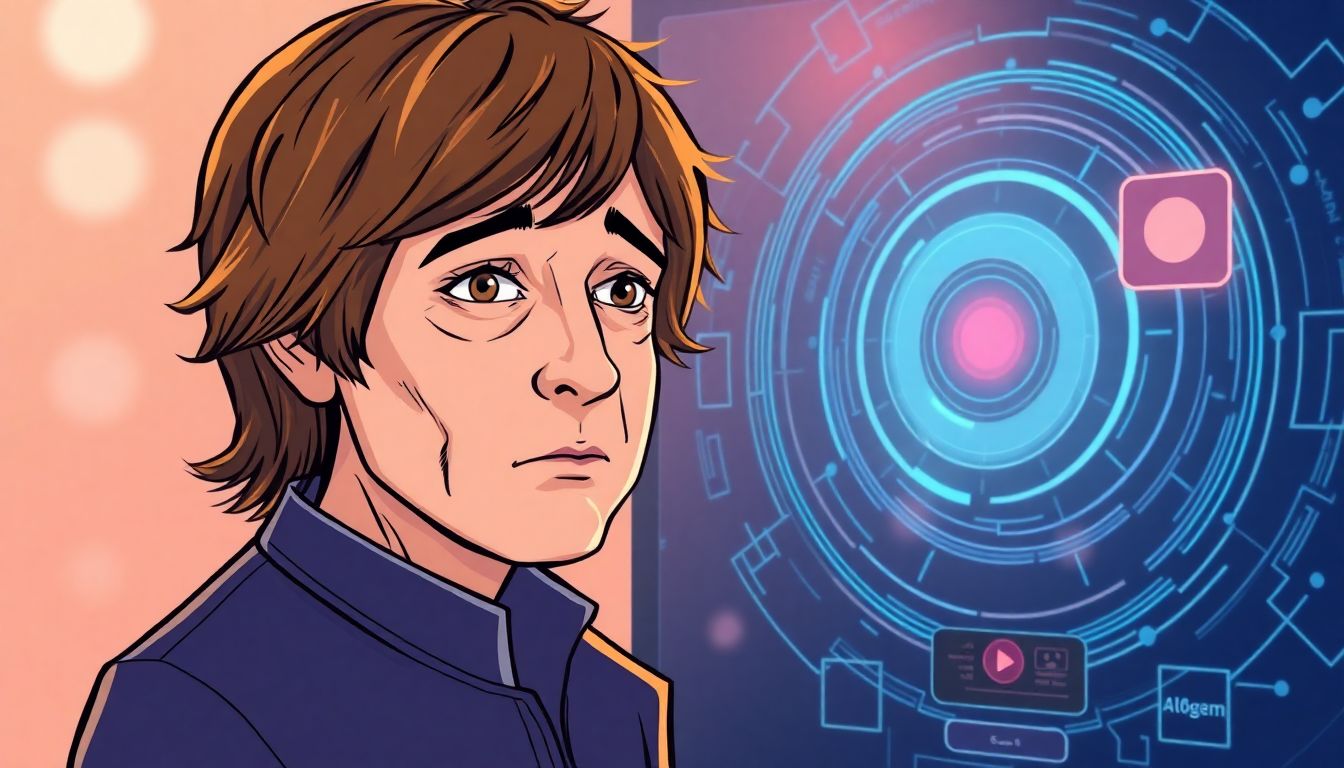
However, McCartney’s enthusiasm for AI has been tempered by growing concerns about its potential impact on the music industry. As AI continues to advance, the former Beatle has expressed apprehension about the possibility of AI-generated music overshadowing human creativity, leading to a homogenized musical landscape that lacks the authenticity and emotional depth brought by human artists.
A Very Sad Thing Indeed
In a move that blended nostalgia with cutting-edge technology, Paul McCartney initially embraced Artificial Intelligence (AI) to breathe new life into old John Lennon vocals. This project, while controversial, offered a unique opportunity to reimagine classic Beatles material. McCartney’s use of AI to isolate and enhance Lennon’s vocals from vintage recordings sparked a mix of reactions. Proponents argued that this technological intervention could preserve and revitalize musical history, allowing new generations to experience Lennon’s genius in unprecedented clarity. Critics, however, raised concerns about the ethical implications of manipulating an artist’s work posthumously, questioning where the line should be drawn between artistic enhancement and digital resurrection.
Interestingly, McCartney’s recent warnings about AI’s potential to ‘take over’ the music industry present a stark contrast to his earlier experiments. His cautionary stance highlights several valid points:
-
Creative Authenticity:
Over-reliance on AI could lead to a homogenization of sound, diluting the unique creative voices that define the industry.
-
Job Displacement:
Automation in music production might reduce the need for human musicians, engineers, and producers, leading to significant job losses.
-
Intellectual Property Concerns:
AI’s ability to mimic styles could blur the lines of originality, complicating issues of credit and copyright.
McCartney’s evolving perspective on AI underscores the complexities of integrating such powerful tools into creative fields, where the balance between innovation and authenticity is perpetually at stake.

Then and Now
Paul McCartney’s foray into the world of artificial intelligence began in the mid-1990s, when he collaborated with Yoko Ono, George Harrison, and Ringo Starr to create ‘Now and Then’, an AI-assisted Beatles song. The track, originally a demo by John Lennon, was brought to life using the groundbreaking Director Musices system, developed by Barry Vercoe and Tod Machover at the MIT Media Lab. This technology allowed for the manipulation of Lennon’s vocal track, enabling the creation of new harmonies and melodies, effectively making Lennon a virtual collaborator.
Over the years, McCartney’s involvement with AI has been sporadic but significant. In 2018, he participated in a project called ‘Hooked on a Feeling’, which used AI to analyze his extensive back catalog and generate new melodies. However, McCartney’s current stance on AI is one of cautious optimism. He has expressed concern about the potential for AI to replace human creativity, stating in a 2020 interview with The Guardian, ‘I think it’s important to remember that AI can’t replace the human touch.‘ Despite this, he remains open to the possibilities that AI offers, particularly in its ability to
- aid in the creative process
- act as a tool for exploration
- innovate within the music industry
.
The Debate Heats Up
The upcoming UK parliament debate on amending its data bill to allow artists to exclude their work from AI training data has sparked a significant conversation about the intersection of art, intellectual property, and technology. The proposed amendment, driven by a desire to protect artists’ rights and maintain the integrity of their work, has gained both support and criticism. Advocates argue that artists should have the right to choose how their work is used, especially when it comes to training AI models that could potentially replicate their style or content. Conversely, opponents contend that such an amendment could stifle innovation and limit the potential benefits of AI in various creative fields. The debate is expected to delve into the complexities of copyright law, data privacy, and the ethical implications of AI training.
Notably absent from the anti-AI petition are two prominent figures in the music industry: Paul McCartney and Ringo Starr. Their absence has raised eyebrows, given their influential status and the potential impact of AI on the music industry. Several reasons could explain their non-participation:
- They may not align with the petition’s stance, recognizing the potential benefits of AI in music creation and distribution.
- They might prefer to stay neutral on the issue, awaiting more clarity on the technological and legal aspects.
- They could be involved in other initiatives addressing the same concerns, choosing a different approach to the problem.
FAQ
Why did Paul McCartney initially use AI for the Beatles song ‘Now and Then’?
What are McCartney’s current concerns about AI?
What is the upcoming UK parliament debate about?
Who are some notable figures supporting the anti-AI petition?
How can artists protect their work from unauthorized use by AI companies?
- Support initiatives and petitions
- Stay informed about legal developments
- Engage with policymakers
.
