

Welcome to an exciting exploration of how transit systems across the U.S. are leveraging AI-powered cameras to keep bus lanes clear and improve public transportation efficiency. Dive into the innovative world of Hayden AI and discover how their technology is transforming urban mobility. Let’s embark on this journey together!
How Hayden AI is Revolutionizing Bus Lane Enforcement Across the U.S.
Imagine the relentless hum of a bustling city street, where buses, like lumbering giants, navigate their routes amidst a sea of smaller vehicles. These are no ordinary buses; they are equipped with an extra pair of eyes, AI-enhanced cameras mounted on their roofs, silently observing the urban dance below. These cameras are not mere passive observers; they are active sentinels, fed by a constant stream of data, their AI brains processing each frame with algorithmic precision. “
“Their primary target? Vehicles illegally parked in bus lanes, a bane to the smooth flow of public transportation. The AI, trained on vast datasets of traffic violations, can discern the difference between a legitimate stop and an infringement with uncanny accuracy. It calculates dimensions, evaluates angles, checks for permit signs, and even factors in exemptions for emergency vehicles. Each decision is a testament to the power of machine learning, a symphony of calculations happening in milliseconds. “
“Once a violation is detected, the AI springs into action, capturing high-resolution images from multiple angles. These images are then whisked away wirelessly to a central processing hub, where further analysis awaits. The system can even predict hotspots of frequent violations, enabling city planners to optimize their strategies for enforcement and education. This is not just a vision of the future; it’s a reality unfolding on city streets around the world, where AI is silently, efficiently, making urban life that much smoother.
The Rise of AI in Bus Lane Enforcement
In recent years, transit agencies across the United States have been increasingly adopting AI-enhanced cameras to monitor and enforce bus lane regulations. This growing trend is driven by multiple factors, including the need to improve bus lane efficiency, reduce traffic congestion, and enhance public transportation reliability. These advanced cameras, equipped with artificial intelligence capabilities, can automatically detect and identify vehicles illegally parked or traveling in bus lanes. The real-time monitoring and enforcement enabled by these systems can help transit agencies to optimize their operations and improve service for passengers.
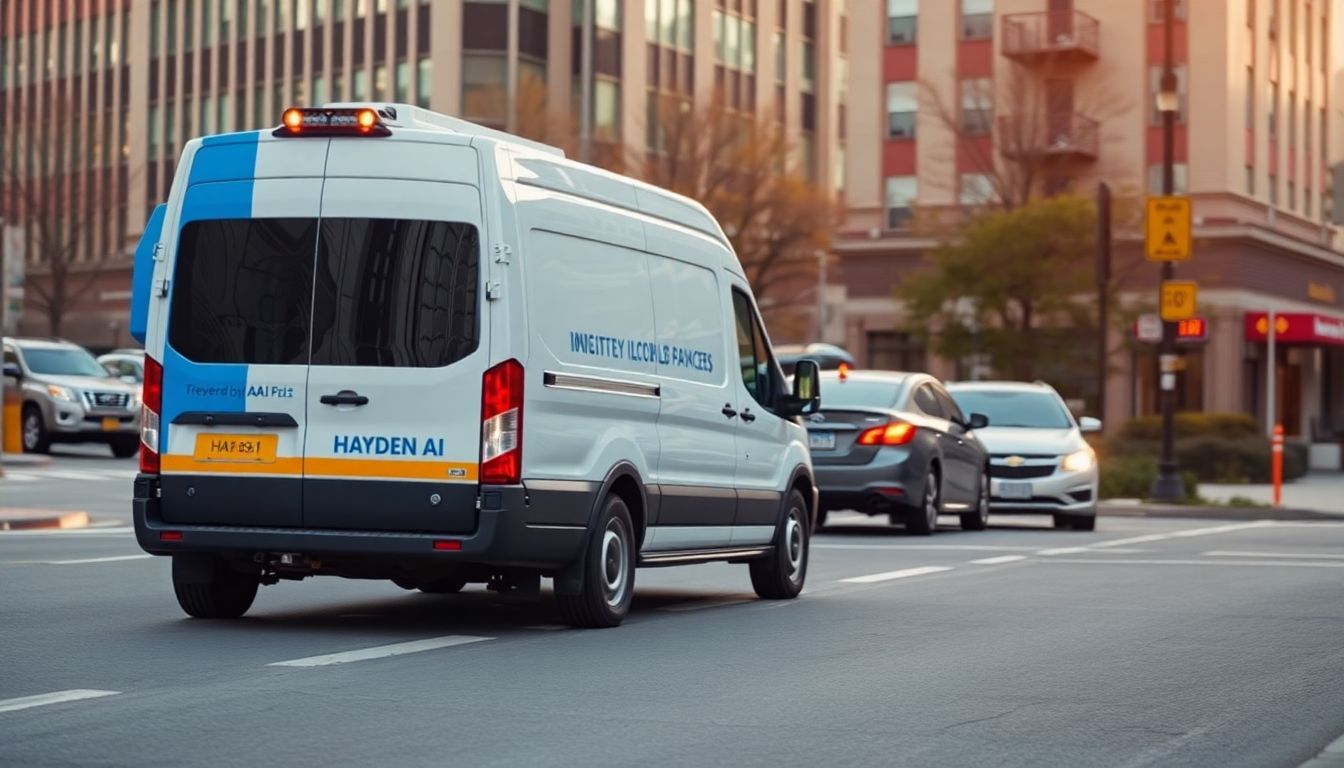
At the forefront of this technological revolution is Hayden AI, a company specializing in AI-powered traffic management solutions. Hayden AI’s platform utilizes advanced computer vision algorithms to analyze video feeds from existing traffic cameras, identifying bus lane violations with high accuracy. The system can distinguish between different types of vehicles and determine if they are authorized to use the bus lane, such as buses, emergency vehicles, and permitted taxis. By automating the enforcement process, Hayden AI helps transit agencies to reduce the manual effort required for monitoring and enforcement, allowing for more efficient use of resources.
Hayden AI has experienced rapid expansion across major U.S. cities, reflecting the growing demand for smart traffic management solutions. The company has secured contracts with numerous transit agencies, including those in
- San Francisco
- Washington D.C.
- New York City
Among other metropolitan areas. The successful deployment of Hayden AI’s technology in these cities has not only improved bus lane compliance but also generated significant revenue through automated ticketing of violations. However, the use of AI in traffic enforcement has also raised concerns about privacy and the potential for bias in algorithmic decision-making. It is crucial for transit agencies and technology providers to address these issues transparently and ensure that the benefits of AI-enhanced enforcement are balanced with the rights and interests of the public.

Real-World Demonstration and Impact
Hayden AI’s technology was recently demonstrated in the bustling streets of San Francisco, where the city’s Municipal Transportation Agency (SFMTA) integrated the startup’s advanced camera systems into their fleet of buses. The cameras, equipped with cutting-edge computer vision algorithms, are designed to detect and respond to various road conditions and hazards in real-time, providing drivers with immediate feedback and warnings. The most notable feature of these cameras is their ability to identify double-parked vehicles and other obstructions, allowing drivers to react proactively and reduce delays.
The impact of Hayden AI’s technology on bus speeds and driver behavior has been significant. Within the first month of implementation, SFMTA reported a 10% increase in on-time performance, a critical metric for public transit efficiency. This improvement can be attributed to several factors, including the real-time feedback that encourages drivers to adhere to optimal speeds and the reduced need for sudden braking or lane changes, which often result in delays. Additionally, the camera systems have led to a 15% reduction in rapid acceleration and hard braking events, indicative of smoother and safer driving habits.
Transit authorities have provided compelling testimonials about Hayden AI’s technology. Jeffrey Tumlin, Director of Transportation at SFMTA, stated, “Hayden AI’s cameras have given our drivers an extra set of eyes on the road, enabling them to navigate more efficiently and safely.” He further noted that the real-time data collected by the cameras has been instrumental in identifying congestion hotspots and informing strategic planning. Similarly, other transit authorities have praised the technology’s ease of integration and the comprehensive support provided by Hayden AI’s team. Here are some key points from their feedback:
- “The system was up and running in no time, with minimal disruption to our operations.”
- “Hayden AI’s customer support has been exceptional, with prompt responses to any queries or issues.”
- “The data analytics provided by the cameras have given us invaluable insights into route optimization.”
Challenges and Controversies
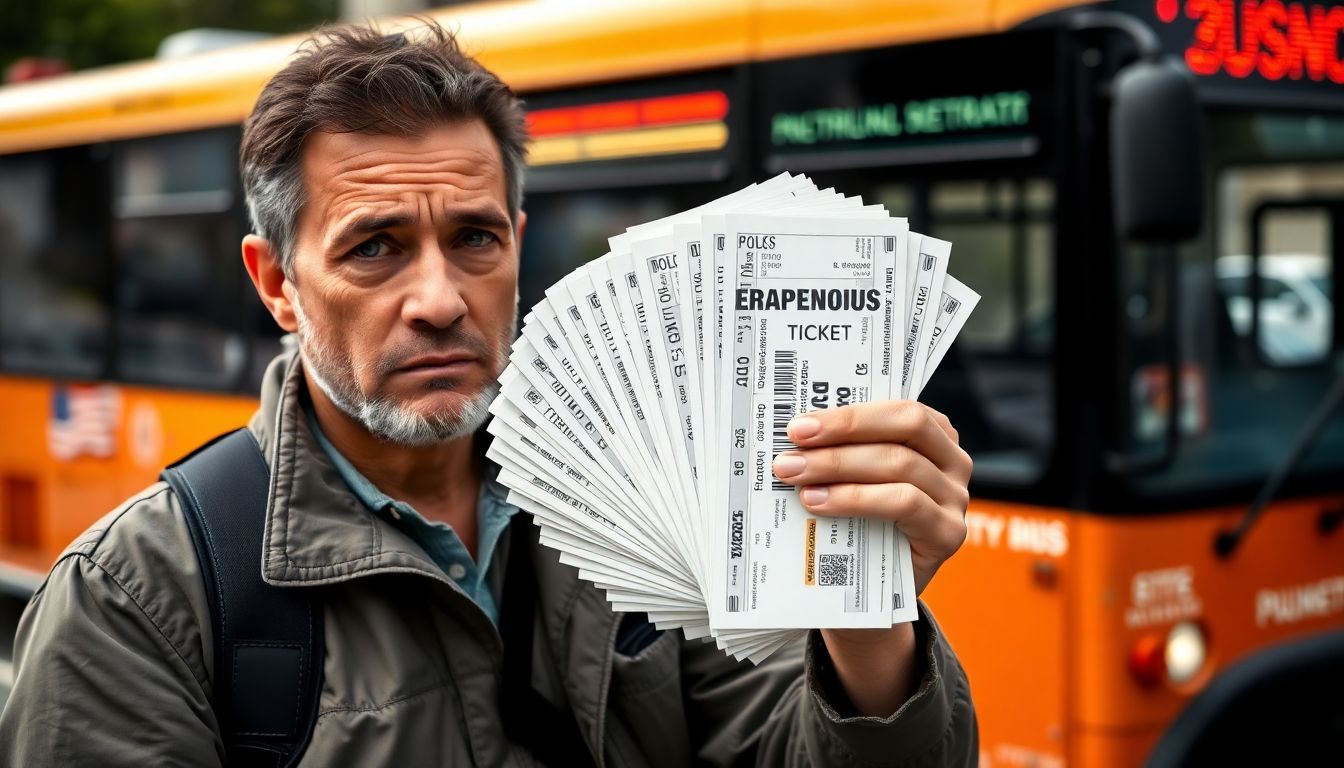
The rollout of AI systems in enforcement and regulatory contexts has been fraught with challenges and controversies. One of the most significant issues has been the generation of erroneous tickets, where AI algorithms falsely identify infractions, leading to unwarranted penalties. These errors can stem from various factors, including flawed data input, biased algorithms, or technical glitches. For instance, AI-driven traffic cameras may misinterpret innocent actions as violations, resulting in unfair fines.
Public skepticism has also emerged as a substantial barrier to the widespread acceptance of AI in enforcement. Citizens and advocacy groups have raised concerns about the lack of transparency in AI decision-making processes. Without a clear understanding of how these systems reach their conclusions, the public is left to grapple with the implications of automated enforcement without the ability to scrutinize or contest the underlying logic. This skepticism is exacerbated by instances of algorithmic bias, where AI systems disproportionately target certain demographics, further eroding public trust.
To address these challenges, it is paramount to emphasize accountability and human review in AI-driven enforcement. Implementing robust accountability measures ensures that there are clear protocols for addressing and rectifying errors made by AI systems. Human review, on the other hand, serves as a crucial safeguard, providing a layer of oversight that can catch and correct mistakes before they result in unjust penalties. Key steps in promoting accountability and human review include:
- Establishing transparent guidelines for AI deployment and operation
- Creating independent review bodies to oversee AI decisions
- Providing accessible avenues for public appeals and redress
- Investing in continuous training and education for personnel involved in AI oversight
FAQ
How do AI-enhanced cameras work in bus lane enforcement?
What are the benefits of using AI in bus lane enforcement?
- Improved bus speeds and reliability.
- Reduced congestion in bus lanes.
- Enhanced safety for bus passengers and other road users.
- Changed driver behavior, leading to fewer repeat offenders.
